The hidden danger of seed oils
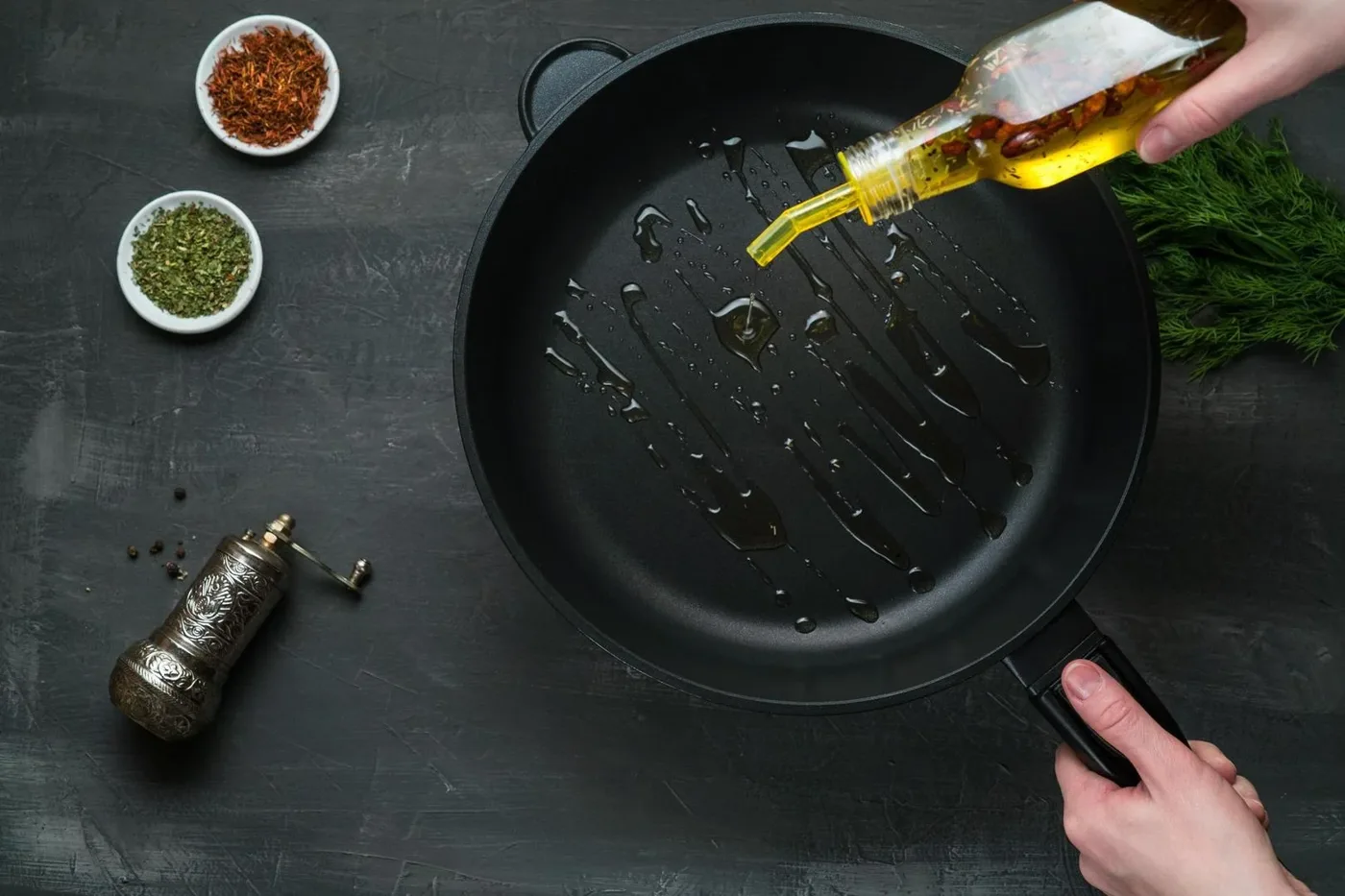
Seed oils are used in almost everything. In your tub of supermarket hummus, in your favourite ‘healthy’ snack, in dressings, sauces, ready meals and even in products you think are healthy. Think of sunflower oil, soybean oil, rapeseed oil (canola), corn oil, cottonseed oil and grapeseed oil. These oils sound harmless – they are plant-based, after all – but appearances are deceptive.
Why are seed oils so harmful?
Seed oils go through an intensive production process: they are pressed at high temperatures, refined, bleached and often treated with chemical solvents such as hexane. What remains is an unstable fat that can form harmful substances such as oxidative free radicals and trans fats when heated. This can lead to inflammation in the body, which lies at the root of all kinds of chronic diseases such as cardiovascular disease, type 2 diabetes, obesity, autoimmune diseases and even certain forms of cancer. In addition, seed oils contain an imbalance of omega-6 fatty acids, which promote inflammation in large amounts. Our modern diet is already full of omega-6, and seed oils add a hefty extra portion on top.
Where are seed oils hiding?
Pretty much everywhere you don’t pay attention:
- Ready-made hummus, pesto and dips
- Crisps and crackers
- Biscuits, granola, muesli bars
- Vegan ‘healthy’ snacks
- Dressings and mayonnaise
- Margarine and baked goods
- Ready meals and takeaway food
Even with products that look pure and healthy at first glance, it pays to read the label. You will be surprised how many of them are full of sunflower oil or soybean oil.
What are better alternatives?
Fortunately there are plenty of natural, healthier fats that are not only safer but also support your body:
Ghee (clarified butter)
- Heat-resistant and ideal for frying and roasting
- Rich in fat-soluble vitamins (A, D, E and K)
- Supports healthy digestion
Extra virgin olive oil
- Perfect for salads, dressings and gentle cooking
- Contains lots of antioxidants and monounsaturated fats
- Anti-inflammatory and good for the heart
Coconut oil
- Stable at high temperatures, suitable for stir-frying and baking
- Contains lauric acid, which has antibacterial properties
- Easy to digest and supports your energy levels
Avocado oil
- Neutral flavour, good for frying and for dressings
- Rich in monounsaturated fats
- Contains antioxidants such as lutein, good for the eyes
How do you use these oils in the kitchen?
| Oil | Use | Avoid |
|---|---|---|
| Ghee | Frying, roasting | Do not use raw |
| Olive oil | Dressings, gentle heating | Do not deep-fry or fry at high heat |
| Coconut oil | Stir-frying, baking | Do not combine with delicate flavours |
| Avocado oil | Frying, grilling, salads | – |
Tip: always use cold-pressed or extra virgin versions, and store your oil in a cool, dark place, well closed, to prevent oxidation.
Cooking with awareness
By consciously choosing natural oils, you give your body the fats it needs without the inflammatory downsides of seed oils. It may seem like a small change, but the impact on your health is huge. And while you’re at it: make your own dressings and hummus! Then you know exactly what’s in them.
Finally
You don’t have to change everything at once. Start simple. Replace one bottle of sunflower oil with a jar of ghee or a bottle of olive oil, and discover how much flavour and health you gain with that alone.
Small changes in your kitchen can lead to big changes in your life. For yourself, your body and the people you cook for.
Healthy, pure and simple cooking. More about me →